Rambling Through the Byways and Crossroads of Genealogy, DNA, and Ethnicity
Last week I was having one of my “bed times” as I just wasn’t sleeping well. Uh, I wasn’t sleeping at all! Most of this is my cancer issues and the side effects of...

Hagenbuch family history & genealogy
Last week I was having one of my “bed times” as I just wasn’t sleeping well. Uh, I wasn’t sleeping at all! Most of this is my cancer issues and the side effects of...
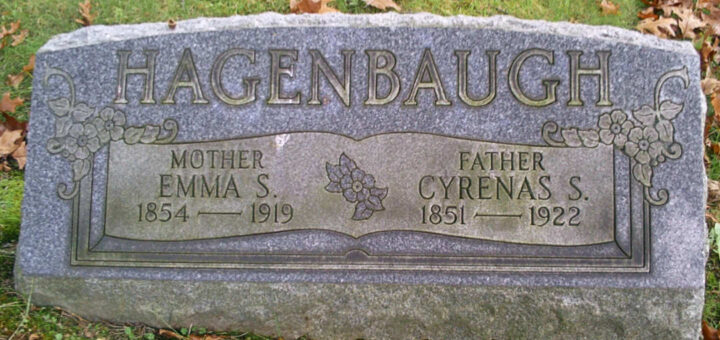
Four generations before me, my great great grandfather William Hagenbuch (b. 1807) had a first cousin named Michael (b. 1815) who changed his last name to “Hagenbaugh.” William and Michael had fathers who were...
In his 1886 family history, Descendants of Andrew Hagenbuch, Enoch Hagenbuch (b. 1814) wrote the following: [Jacob Hagenbuch] married Magdalena Wolf, a sister of his brother Henry’s wife. Jacob’s wife was born April 29,...
The story of our family includes more than just Hagenbuchs. When a couple marries, a new family is connected to ours. Close friends, baptism sponsors, and business partners form other types of alliances too....
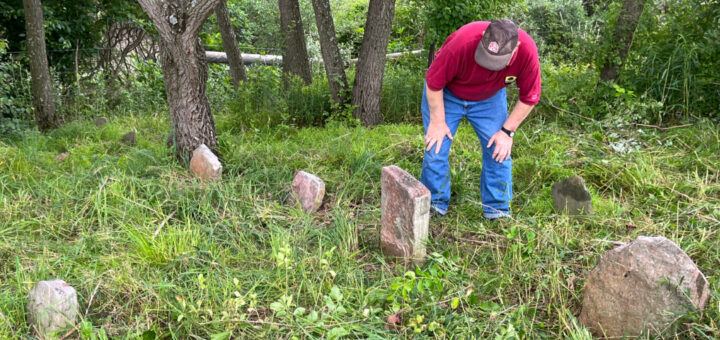
It’s been awhile since my father and I have visited the Hagenbuch Homestead in Albany Township, Berks County, Pennsylvania. The last time we were there was on a cold, winter’s day in January of...
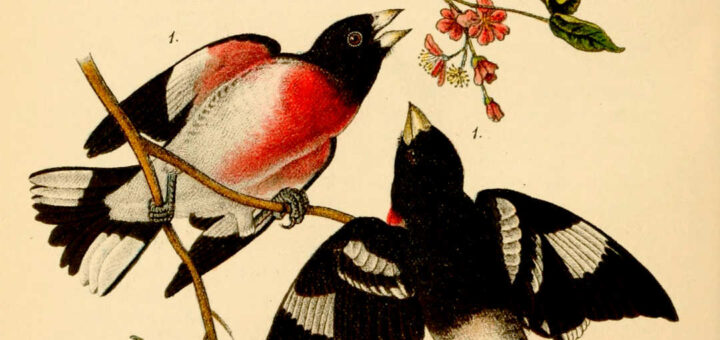
It is a known fact within my immediate family that my sister, Barbara (Hagenbuch) Huffman, is an avid birder. She began educating me 50 years ago when she would take Linda and me to...
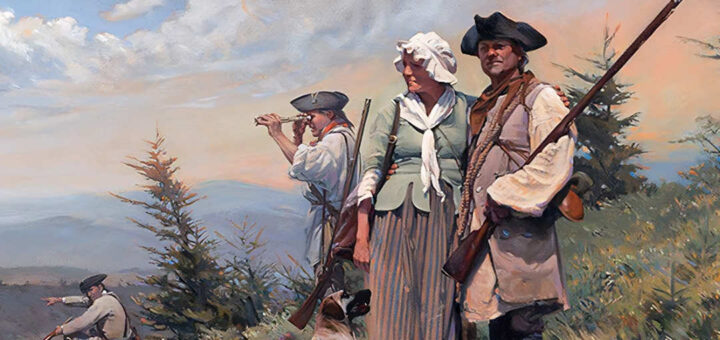
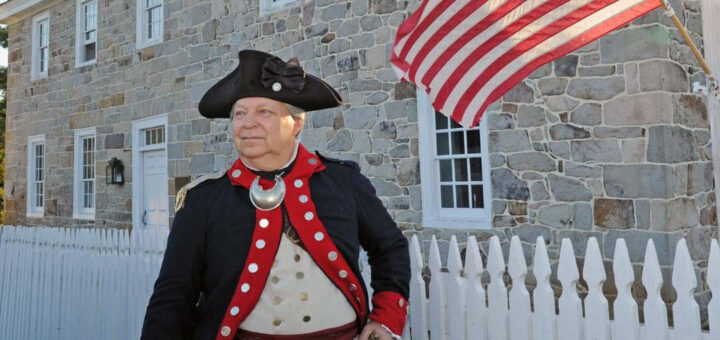
In the previous article about the military service of Andreas’ family, readers were reminded that “big doings” are happening over the next eight years in relation to our country’s founding—our 250th anniversary! I remember...
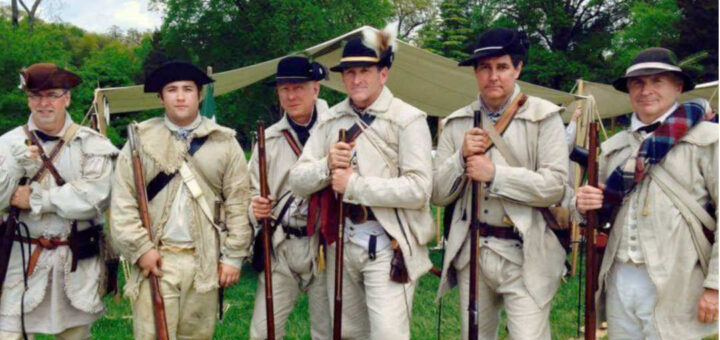
Between March and April of 2017, three articles were written about the Revolutionary War service of the patriarch Andreas Hagenbuch’s four sons: Henry (b. 1737), Michael (b. 1746), Christian (b. 1747), and John (b....
Life at the Hagenbuch Homestead stank—quite literally! By the early 1800s, the homestead had a sizable tannery, large enough to be recorded on at least one map of the area as the “Hagenbuch Tanyard.”...
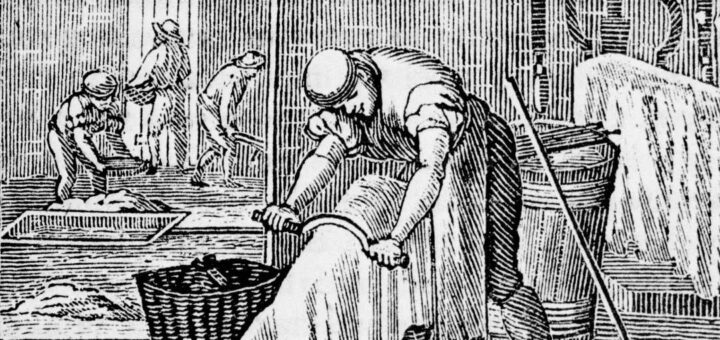
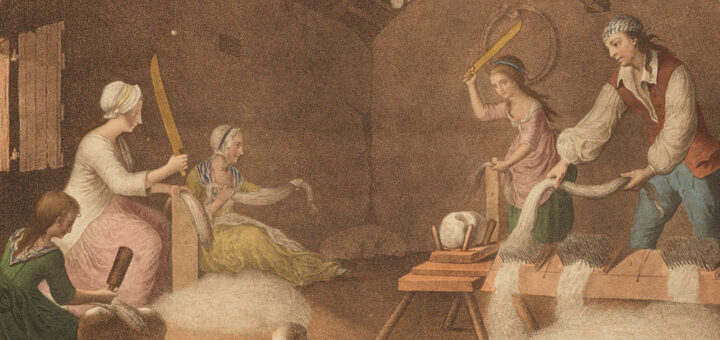
In 18th-century America, before cotton was king, flax was the fiber that ruled the fields. Used to weave linen fabric, people depended upon quality flax for a number of textile products—shirts, tablecloths, breeches, sheets,...